


Appetite Tincture With Cayenne is a label detail worth checking before you buy. Cayenne pepper can change the taste, warmth, and comfort level of a liquid herbal blend, especially for people who avoid spicy ingredients, have reflux sensitivity, or dislike a burning finish. A product may look like a general appetite or bitters tincture, but one spicy ingredient can decide whether it fits your routine.
Some appetite-style blends combine bitter herbs, aromatic seeds, roots, leaves, and warming ingredients. A formula may include burdock root, centaury herb, fennel seed, cayenne pepper, dandelion leaf and root, and blessed thistle leaf. HerbEra’s appetite blend context makes this a practical buying question: read the full ingredient list before assuming the tincture is only bitter, mild, or herbal-tasting.
This guide explains why cayenne matters, how to spot it on a label, what taste to expect, how dilution may help, and when spice sensitivity or medical context means you should ask a qualified professional before use.
What Does Appetite Tincture With Cayenne Mean?
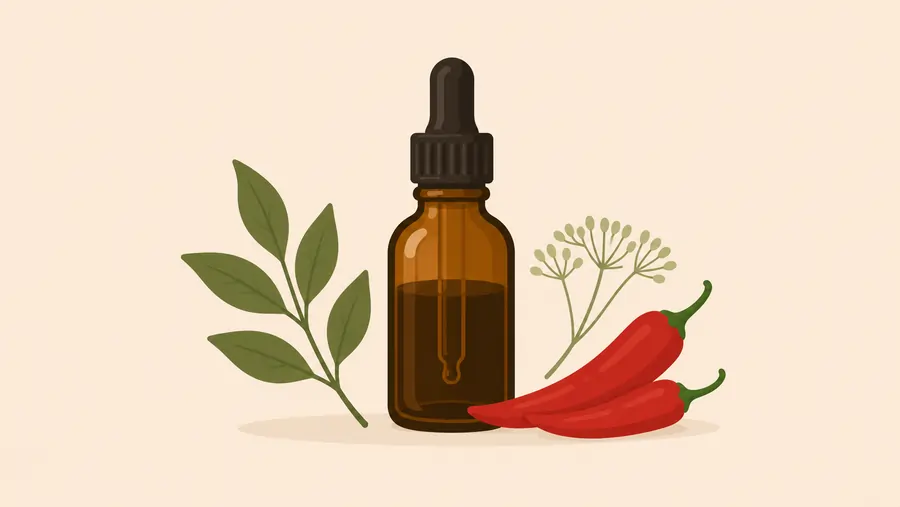
Appetite tincture with cayenne means the liquid blend includes cayenne pepper as one of its herbal ingredients. Cayenne is a spicy pepper ingredient, often listed as cayenne pepper, Capsicum annuum, Capsicum frutescens, capsicum fruit, red pepper, or chili pepper.
In a tincture, cayenne may create warmth, a peppery finish, throat heat, or a sharper aftertaste. The amount matters, but labels do not always tell you how strongly the cayenne will taste.
The practical answer
If you avoid spicy ingredients, do not buy an appetite tincture based only on the front label. Check the Supplement Facts, other ingredients, product description, and suggested use. Look specifically for cayenne and related pepper terms.
If cayenne is listed and you know spicy ingredients bother you, choose a different product or ask the seller before ordering.
Why Cayenne Matters in an Appetite Tincture
Cayenne matters because it is not just another bitter herb. It is a warming, spicy ingredient that can be noticeable even in a small liquid serving. Some people like that sharp finish. Others find it uncomfortable.
This is especially important for tinctures because liquid extracts reach the mouth and throat directly. Capsules may hide taste better, but tinctures expose the user to flavor immediately.
Spice sensitivity is personal
One person may barely notice cayenne in a blend. Another may feel warmth, burning, throat irritation, or reflux-like discomfort. Taste tolerance is not universal.
Do not assume the tincture is mild because it contains fennel, burdock, or dandelion. A small amount of cayenne can still shape the experience.
How to Spot Cayenne on a Supplement Label
Cayenne can appear under several names. A careful label check should include both common and botanical terms. The ingredient may appear in the Supplement Facts panel or in the formula description.
| Label term | What it usually means | Why to notice it |
|---|---|---|
| Cayenne pepper | Direct common name | Clear spicy ingredient |
| Capsicum | Botanical or ingredient category for pepper | May indicate cayenne or chili pepper material |
| Capsicum annuum | Botanical name used for some pepper ingredients | Check if you avoid pepper plants |
| Capsicum frutescens | Another botanical name used for hot pepper ingredients | May still mean a spicy component |
| Red pepper | Common spice wording | Can be spicy depending on form |
| Chili pepper | General hot pepper wording | Not ideal for spice-sensitive users |
If the label uses a proprietary blend and does not show amounts for each ingredient, you may not know how much cayenne is present. Ask the brand if that matters to you.
Will an Appetite Tincture With Cayenne Taste Spicy?
It may taste spicy, but the intensity depends on the formula, cayenne amount, liquid base, serving size, and dilution method. Some appetite tinctures taste mostly bitter, herbal, or aromatic, with only a warm pepper finish. Others may feel noticeably hot.
Cayenne can create a quick peppery bite. Bitter herbs can create a lingering dry taste. Fennel can add a sweet aromatic note. Together, the blend may taste bitter, warm, earthy, and slightly spicy.
What to expect
Expect some combination of bitterness, herbal sharpness, fennel-like aroma, and possible pepper warmth. If you strongly dislike spicy foods, assume cayenne may be noticeable unless the brand says otherwise.
Do not use taste as proof of quality, strength, or expected effect. Taste only tells you how the formula feels in your mouth.
Ingredient Roles in a Typical Appetite-Style Blend
Appetite-style tinctures often combine bitter, aromatic, earthy, and warming botanicals. The exact formula matters, but the table below shows why one blend can taste complex.
| Ingredient | Likely taste profile | What to check |
|---|---|---|
| Burdock root | Earthy, root-like, mild bitterness | Plant part and blend amount |
| Centaury herb | Strong bitter taste | Bitters sensitivity |
| Fennel seed | Sweet, aromatic, licorice-like | Allergy or flavor preference |
| Cayenne pepper | Warm, spicy, peppery | Spice, reflux, or throat sensitivity |
| Dandelion leaf and root | Green, earthy, bitter | Plant part and warnings |
| Blessed thistle leaf | Bitter, herbal | Pregnancy, nursing, allergy context |
A blend can be bitter and spicy at the same time. If you only check for “bitter herbs,” you may miss cayenne.
Can You Dilute Appetite Tincture With Cayenne?
You can dilute an appetite tincture with cayenne if the label allows or directs it. Water is the best default when the label says to take the serving with water. Dilution can soften the immediate peppery taste and make the bitterness easier to handle.
Use a small amount of water so you finish the full serving. Do not add drops to a large bottle and sip all day unless the label specifically supports that routine.
Do not increase the serving
Dilution changes the taste, not the serving size. Do not add extra drops because the tincture tastes less spicy in water.
If the cayenne still feels too strong after dilution, the product may not fit you. Do not force continued use because the label says appetite blend.
Should You Take It Before Meals?
Follow the label. Many bitter-style appetite blends are used shortly before meals, often with water. If the label says before meals, connect the serving to real food rather than taking it randomly.
If no exact timing is listed, a practical pre-meal window is right before eating or about 5 to 15 minutes before food. Do not take it long before a meal you may skip.
Cayenne and empty stomach sensitivity
People with spice sensitivity may notice cayenne more on an empty stomach. If the label says before meals, use it close to actual food, not before coffee alone.
Coffee is not a meal. If your routine is coffee first and food much later, do not treat coffee as the food anchor.
What If You Have Reflux or Spice Sensitivity?
If you have reflux sensitivity, frequent heartburn, throat irritation, gastritis history, ulcers, abdominal pain, nausea, or a known reaction to spicy foods, ask a qualified healthcare professional before using an appetite tincture with cayenne.
Cayenne may feel uncomfortable for some people, especially in liquid form. A tincture exposes the mouth and throat to the blend before it is swallowed.
Do not ignore discomfort
Stop using the product and ask for guidance if you notice burning, worsening reflux-like discomfort, throat irritation, nausea, cramping, rash, swelling, or any reaction that concerns you.
Do not keep using a spicy tincture to “build tolerance” unless a qualified professional has advised that it is appropriate for you.
Who Should Check with a Healthcare Professional First?
Ask a qualified healthcare professional before using an appetite tincture with cayenne if you are pregnant, nursing, taking medication, managing a medical condition, preparing for surgery, buying for a child, or using multiple supplements.
Also ask first if you have reflux, ulcers, digestive disorders, liver concerns, kidney concerns, gallbladder concerns, allergies to plants in the formula, unexplained appetite change, unexplained weight change, persistent nausea, or abdominal pain.
Bring the exact label
Bring a clear photo of the Supplement Facts panel, other ingredients, suggested use, warnings, lot number, and expiration date. Blend formulas need exact review.
Do not use the tincture to treat, cure, prevent, diagnose, reverse, detox, cleanse, flush, or manage any health condition.
What Not to Assume from “Appetite Tincture”
Do not assume an appetite tincture is mild. Do not assume all appetite blends are cayenne-free. Do not assume bitter means non-spicy. Do not assume natural ingredients are automatically comfortable for your stomach.
Also do not assume the front product name tells the full story. A blend can contain six or more botanicals, and one ingredient may be the dealbreaker for you.
Read the full formula
The ingredient list matters more than the category name. HerbEra’s formula context is a good reminder that an appetite blend can combine roots, herbs, seeds, leaves, and cayenne in one bottle.
If you avoid spicy ingredients, cayenne should be one of the first things you scan for.
What Product Details Should You Check Before Buying?
Before buying, check the product title, Supplement Facts, full ingredient list, suggested use, serving size, liquid base, alcohol status, warnings, customer questions, and current bottle images. Marketplace titles can be incomplete.
Look for cayenne pepper, capsicum, red pepper, chili pepper, bitter herbs, alcohol, glycerin, water, drops, droppers, before meals, with water, and daily frequency.
Liquid base and taste
An alcohol-based tincture may taste sharper. An alcohol-free glycerin-based extract may taste softer or slightly sweet, but cayenne can still add warmth.
If taste matters to you, ask whether the product is strongly spicy, mildly warm, or mostly bitter.
What If the Label Uses a Proprietary Blend?
A proprietary blend may list ingredients together without showing the exact amount of each ingredient. That can make cayenne harder to evaluate for spice-sensitive users.
If cayenne appears in a proprietary blend, you may not know whether the amount is tiny or noticeable. Ask the seller if the pepper taste is strong and whether the product is suitable for people avoiding spicy ingredients.
Ask direct questions
Ask: “Does this appetite tincture contain cayenne pepper?” Ask: “Is the cayenne taste noticeable?” Ask: “Can the serving be diluted with water?” Ask: “Is this product appropriate for someone with spice sensitivity or reflux sensitivity?”
A useful answer should address the formula, taste, serving, and warnings, not just say the product is natural.
When Should You Avoid the Bottle After Purchase?
Do not use the bottle if the safety seal is broken before first opening, the cap is loose, the dropper is cracked, the package leaked, the label is unreadable, or the product is expired.
Also pause if the tincture smells sour, moldy, rancid, fermented, rotten, or chemical-like. A bitter or spicy smell may fit the formula. A spoiled smell does not.
Inspect before first use
Check the seal, cap, dropper, liquid appearance, smell, lot number, expiration date, and storage condition. Do not test a suspicious product by taking a serving.
Contact customer support with photos and the lot number if anything looks wrong.
Checklist: What to Check Before Buying Appetite Tincture With Cayenne
Use this checklist if you avoid spicy ingredients or have a sensitive stomach. It helps you check the formula, taste expectations, dilution options, and safety details before buying or using the tincture.
Scan for cayenne
Look for cayenne pepper, capsicum, red pepper, chili pepper, Capsicum annuum, or Capsicum frutescens. These terms may point to a spicy ingredient.
Read the full blend
Check all botanicals, not just the product name. Appetite blends may include bitter herbs, aromatic seeds, roots, leaves, and warming peppers.
Check the liquid base
Look for alcohol, glycerin, water, or alcohol-free wording. The base can change the taste and mouthfeel.
Review serving directions
Find the drops, dropper amount, frequency, before-meal timing, and water instruction. Do not create your own serving plan.
Ask about spice level
If cayenne is listed, ask whether the taste is mild, warm, or strongly spicy. Do this before buying if you know spice bothers you.
Consider reflux sensitivity
Ask a qualified professional before use if spicy foods, tinctures, or bitters often trigger discomfort for you.
Inspect the bottle
Check the seal, cap, dropper, expiration date, label, smell, and liquid appearance before first use.
Do not mask red flags
Dilution can soften normal taste. It should not be used to hide sour smell, mold, leakage, or damaged packaging.
FAQ
What is an appetite tincture with cayenne?
It is a liquid herbal blend that includes cayenne pepper or a related capsicum ingredient.
Will appetite tincture with cayenne taste spicy?
It may. The taste can range from mildly warm to noticeably spicy depending on the formula and serving size.
How do I know if a tincture contains cayenne?
Check the Supplement Facts, full ingredient list, and product description for cayenne pepper, capsicum, red pepper, chili pepper, or botanical pepper names.
Can I dilute appetite tincture with cayenne?
Yes, if the label allows or directs it. Use a small amount of water and drink the full serving.
Does water remove the spicy effect?
No. Water may soften the taste, but it does not remove cayenne from the serving.
Should I take it before meals?
Follow the label. If it says before meals, use it shortly before actual food, not before coffee alone.
Is cayenne a problem for reflux-sensitive people?
It can be uncomfortable for some reflux-sensitive people. Ask a qualified healthcare professional before use if spicy ingredients trigger symptoms for you.
What if I accidentally bought a tincture with cayenne?
Do not use it if you avoid spicy ingredients or have a known sensitivity. Ask the seller about return options or choose a cayenne-free product.
When should I contact customer support?
Contact support if the label is unclear, spice level is not described, the seal is broken, or the bottle smells or looks abnormal.
Glossary
Appetite tincture
A liquid herbal blend marketed around appetite or pre-meal routines, with serving directions printed on the label.
Cayenne pepper
A spicy pepper ingredient that may add heat, warmth, or a peppery finish to a tincture.
Capsicum
A term used for pepper plants or pepper-derived ingredients, including cayenne and chili pepper materials.
Bitter herbs
Herbs with a strong bitter taste, often used in blends taken around meals.
Fennel seed
An aromatic seed with a sweet, licorice-like flavor that may soften the taste of bitter blends.
Liquid base
The carrier liquid in a tincture, such as alcohol, water, glycerin, or a blend.
Supplement Facts
The label panel that lists serving size, dietary ingredients, and amounts when required.
Suggested use
The label section that explains how much to take, when to take it, and how often.
Proprietary blend
A formula that may list multiple ingredients together without showing the exact amount of each one.
Spice sensitivity
A personal tendency to experience discomfort, burning, reflux-like symptoms, or irritation from spicy ingredients.
Conclusion
Appetite Tincture With Cayenne can be a poor fit if you avoid spicy ingredients or have reflux sensitivity. Check for cayenne and capsicum terms, review the full blend, dilute only as directed, and ask before use when health factors apply.
Sources used
General dietary supplement labeling guidance, Dietary Supplement Labeling Guide – FDA
Consumer guidance on supplement use and label reading, Dietary Supplements: What You Need to Know – NIH Office of Dietary Supplements
Consumer safety guidance for using dietary supplements wisely, Using Dietary Supplements Wisely – National Center for Complementary and Integrative Health
Botanical and ingredient context for pepper plants, Capsicum Plant Profile – Plants of the World Online
General cayenne pepper ingredient and safety overview, Cayenne Pepper Overview – WebMD
General supplement label nutrition rule context, Nutrition Labeling of Dietary Supplements – Electronic Code of Federal Regulations